
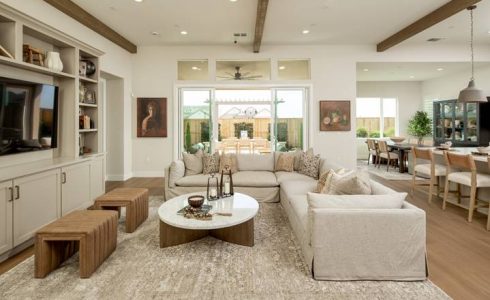
Walking into a well-arranged room just feels good. It is balanced, inviting, and easy to navigate. On the other hand, a room with an awkward layout can feel cramped and unappealing, even when it is filled with beautiful things. The good news is you don’t need to be a designer or break the bank to create an area that works for you. With a few simple tips, you can transform any room in your home into a beautiful living space.
This guide will walk you through furniture placement tips that will help you arrange your furniture in a way that looks and feels pleasing. We will cover everything from measuring your space to adding the finishing touches, helping you create a comfortable, functional, and aesthetic room that truly feels like home.
Start with a Plan
Resist the urge to start pushing your sofa around immediately. Moving heavy items without a clear plan is tiring and ineffective. Instead, grab a piece of paper and a pencil to map out your space. This first step is the most important part of the process and will save you from a lot of unnecessary effort and frustration.
Measure Everything
The only tool you will need is a tape measure. Begin by measuring the overall dimensions of your room. Note the length and width, and mark the locations of doors, windows, and electrical outlets. Be sure to include any fixed features like fireplaces or built-in shelving.
Next, measure each piece of furniture you plan to use in the room. Write down the length, width, and height of your sofa, chairs, tables, and cabinets. This simple step will prevent unnecessary headaches, like finding out your favorite armchair blocks a doorway, or your new bookcase is too tall to fit under a window. A quick sketch of your room with these measurements will serve as your roadmap.
Find Your Focal Point
Every well-designed room has a focal point. This is the first thing that catches your eye when you walk in and should anchor your furniture arrangement. A focal point can be a structural element like a large window with a beautiful view or a fireplace.
If your room lacks an existing focal point, don’t stress, you can make one yourself. A large piece of art, a stylish media cabinet, or even a painted accent wall can serve this purpose. Once you identify your focal point, start arranging your main seating around it. For example, if your focal point is the television, arrange your seating to provide comfortable viewing. If it is a fireplace, design a cozy conversation area in front of it.
The Art of Placement: Furniture Arrangement Tips That Work
With your plan in hand, you can begin the exciting part of placing your furniture. The key is to build your layout starting with the largest pieces. This will help create a balanced foundation for your room.
Start with the Big Stuff
Your largest piece of furniture, usually the sofa in a living room or the bed in a bedroom, should be placed first. This item is the anchor of your arrangement and will determine where other pieces should go.
- In the Living Room: Position your sofa facing the focal point and avoid pushing it directly against a wall if possible. Pulling the sofa a few inches away from a wall can make the room feel more open and appealing.
- In the Bedroom: The bed is the star of the show, and often, the best placement is against the wall opposite the door. This creates a welcoming view and focal point as you enter the room. If you have a large window, placing the bed underneath it can also create an impactful visual moment.
Create Conversation Areas
Furniture should encourage interaction. Arrange your seating pieces so they face each other rather than just pointing at the television. A classic setup involves placing a sofa opposite two chairs, with a coffee table in the middle. This helps to create a natural flow for conversation.
Make sure the furniture pieces are close enough for people to talk with each other comfortably. A good rule of thumb is to keep seating pieces no more than eight feet apart. This helps to create intimacy and makes the space feel welcoming for both family and guests.
Consider Traffic Flow
Think about how you move through the room during your daily activities. You should be able to walk from one end of the room to the other without bumping into furniture or having to weave through any obstacles.
It is important to leave pathways between your furniture groupings. Try to aim for at least 30 to 36 inches of space in major walkways. For smaller pathways, (between a coffee table and a sofa), 14 to 18 inches is usually sufficient. This will ensure the room is functional and comfortable to navigate.
Fine-Tuning the Details
Once your main pieces are in place, it is time to add the finishing touches. These smaller elements tie the room together and help to define your personal style.
The Right Rug Size
An area rug can designate a seating area and add warmth or color to your room, but choosing the incorrect size is a common mistake. A good rule is that the rug should be large enough to fit under at least the front legs of your sofa and any chairs in the grouping. In an ideal setup, all your seating furniture sits completely on the rug.
Layer Your Lighting
A room with only one overhead light can feel harsh and sterile. The best approach is to use a mix of lighting sources placed at different heights. This creates a warm, balanced atmosphere.
- Ambient Lighting: This is your main light source, like a ceiling fixture or recessed lights.
- Task Lighting: This is focused light for specific activities, such as a reading lamp next to a chair or under-cabinet lighting in a kitchen.
- Accent Lighting: This highlights specific features, like a spotlight on a piece of art or a decorative table lamp.
Add Tables and Surfaces
Ideally, every seating area should have a surface within easy reach to place a drink, a book, or a remote. Place end tables next to your sofa and chairs, if possible. A coffee table is an important piece that serves both function and style. The height of your coffee table should be at or slightly below the height of your sofa seats. End tables should be a similar height to the arm of the chair or sofa they sit next to.
Making Your Space Work for You
Once you believe everything is in its proper place, take a step back and walk through the room as you normally would. Try living with the new arrangement for a few days to see how it functions. Does it feel balanced? Is it easy to move around and through? Does it invite you to sit down and relax? Sometimes a small tweak, like angling a chair or moving a table a few inches, can make a huge difference.
Arranging furniture is not about strict rules, it’s more about creating a space that works for you and your lifestyle. Making a plan and following these helpful tips, will help you create a comfortable, functional, and charming room that truly feels like home.
Ready for your dream home? Check out new communities in Lodi at FCBHomes.com. We build quality homes in great neighborhoods. If you need to move sooner, explore our available homes that fit different lifestyles.